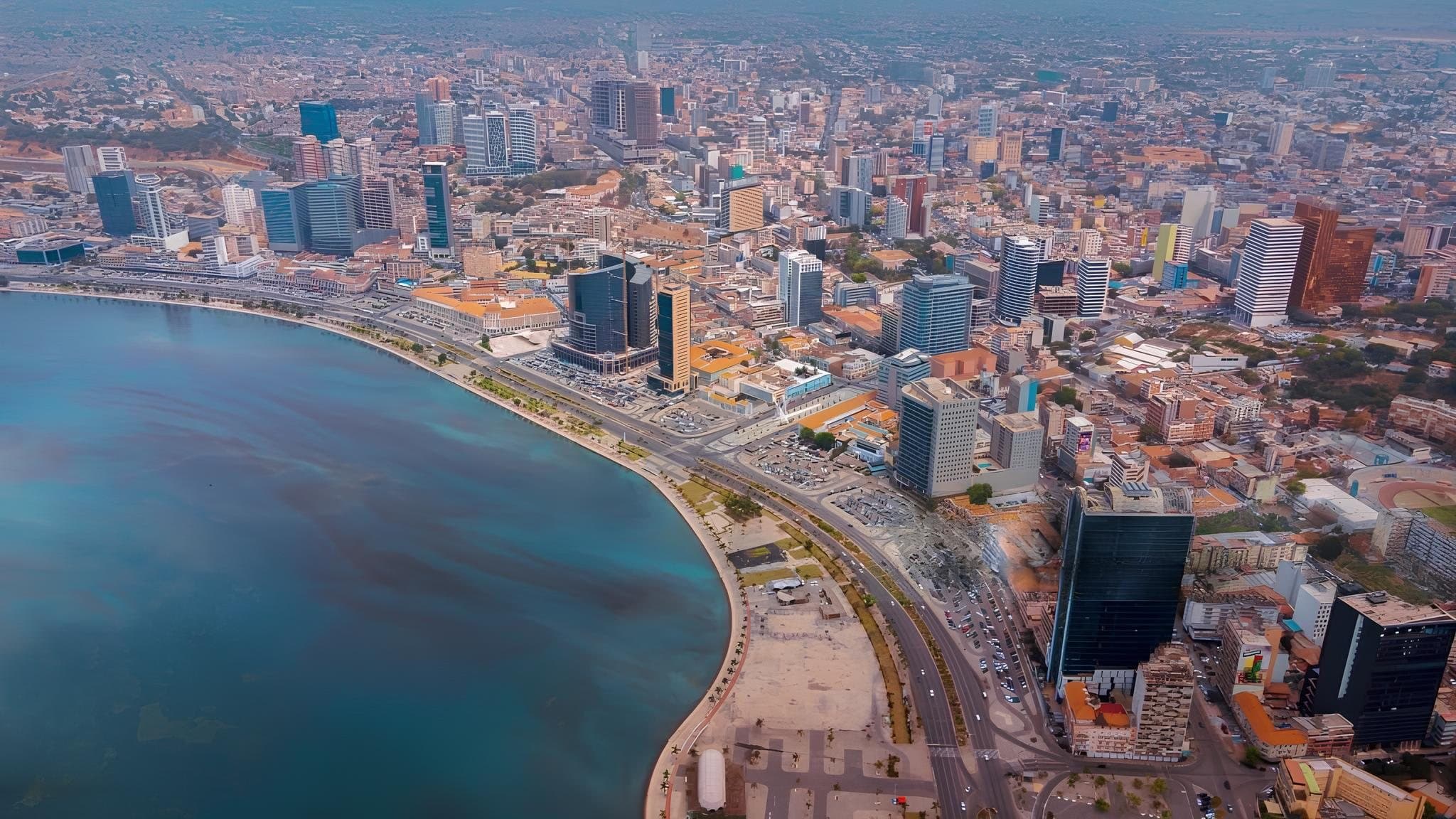
Angola's labour market is at a turning point. A young population, accelerating digital adoption and a national push for economic diversification are converging — and the organisations that understand these forces early will hire better, retain longer and grow faster.
A young workforce, ready to be developed
Angola has one of the youngest populations in the world, with most citizens under the age of 25. This is a generational opportunity: a large, motivated pool of future professionals. The challenge is readiness — the gap between formal education and the practical skills employers need. Organisations that invest in structured onboarding and training consistently outperform those that expect finished talent to appear.
Digital skills are becoming baseline
From banking to logistics, Angolan businesses are digitising core operations. Comfort with productivity software, digital communication and data literacy is shifting from an advantage to an expectation. For professionals, this is the clearest, most accessible path to standing out in a competitive job market.
Diversification is redrawing demand
While Oil & Gas remains central, sustained national investment in agriculture, manufacturing, tourism and infrastructure is creating demand for new profiles: production supervisors, hospitality managers, project coordinators, technicians. Career opportunities are broadening beyond the traditional sectors — for those prepared to move with them.
Soft skills decide who advances
As technical skills spread, employers increasingly differentiate on communication, reliability, leadership and service culture. In our work with employers across sectors, these are the attributes most often cited in hiring decisions — and the ones most often missing.
The future of work in Angola belongs to organisations that develop people deliberately, and to professionals who treat learning as a career strategy. Both are choices available today.